Call us free on 0808 168 9540
Call us free on 0808 168 9540
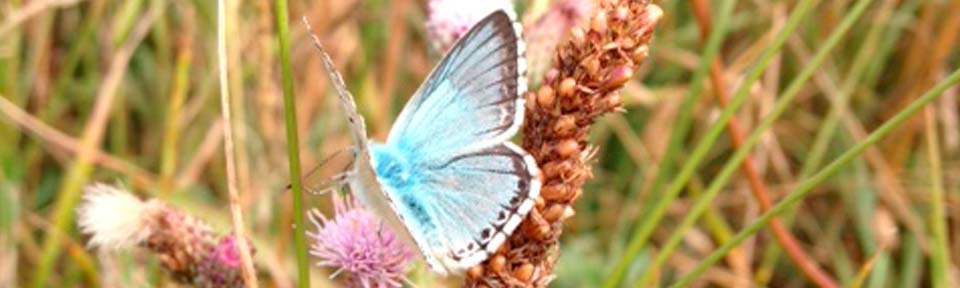
Our team of experienced ecology consultants works closely with our clients to provide ecology services tailored to suit the project’s and client’s needs while ensuring a positive result for wildlife.
Phlorum are expert ecology consultants with vast experience in providing ecological assessments across southern England, including Sussex, London, Surrey, Kent, Dorset, Hampshire and Wiltshire. Our ecology services range from conducting ecology surveys to full Ecological Impact Assessment reporting as part of the development planning process.
We create Ecological Management Plans, carry out habitat management and creation and provide ecological clerk of works services for protected species on construction sites. Ecological issues affect almost all land use in the UK, especially the development and industrial sectors, which can be significantly constrained by such issues if they are not properly addressed.

We undertake a range of ecology surveys for clients from various disciplines. Our ecological surveyors are skilled at delivering the services that enable our clients to proceed rapidly with their projects. Our commercial focus ensures that our clients have a high success rate with their applications. We work with organisations across southern England, ranging from Somerset and Dorset to Sussex, London and Kent, whose repeat business is a testament to our ability to exceed their expectations.
Habitat creation and management plans are integral to many of the diverse projects for which we provide ecological consultancy services. Based on our preliminary ecological appraisal assessments and habitat and protected species surveys, we can provide the necessary resources to design, plan, construct and monitor the successful creation of biodiverse habitats.
Protected species surveys can only be conducted during the active period for those animals (for more details when, please see our ecological survey calendar) so it is important to consider ecology from an early stage in the planning process. Phlorum works closely with our clients when planning and carrying out protected species surveys for a range of animals, including amphibians, badgers, bats, birds, dormice, reptiles, water voles, white-clawed crayfish and more.